
Young people of Russia and Jordan, unite!
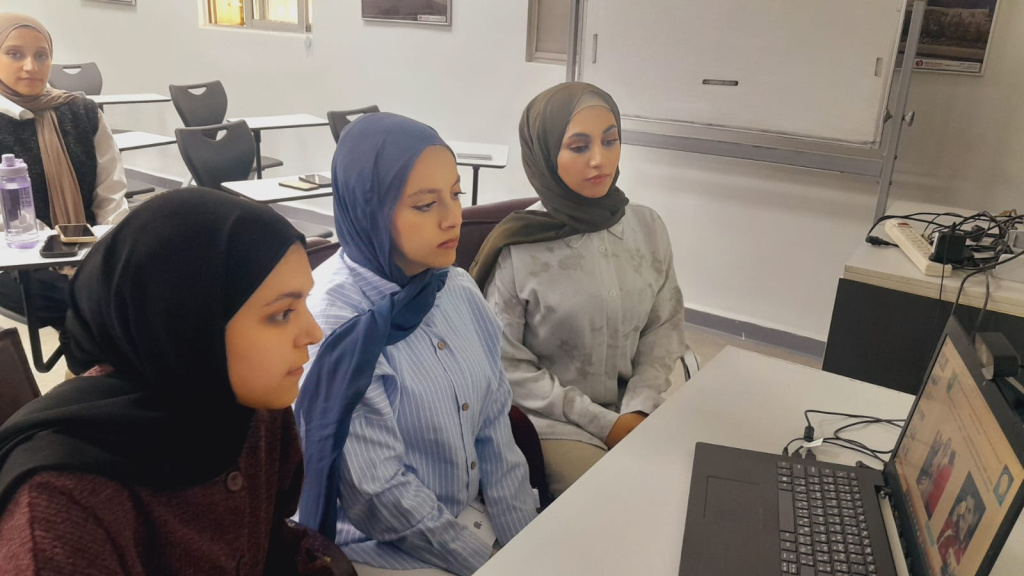
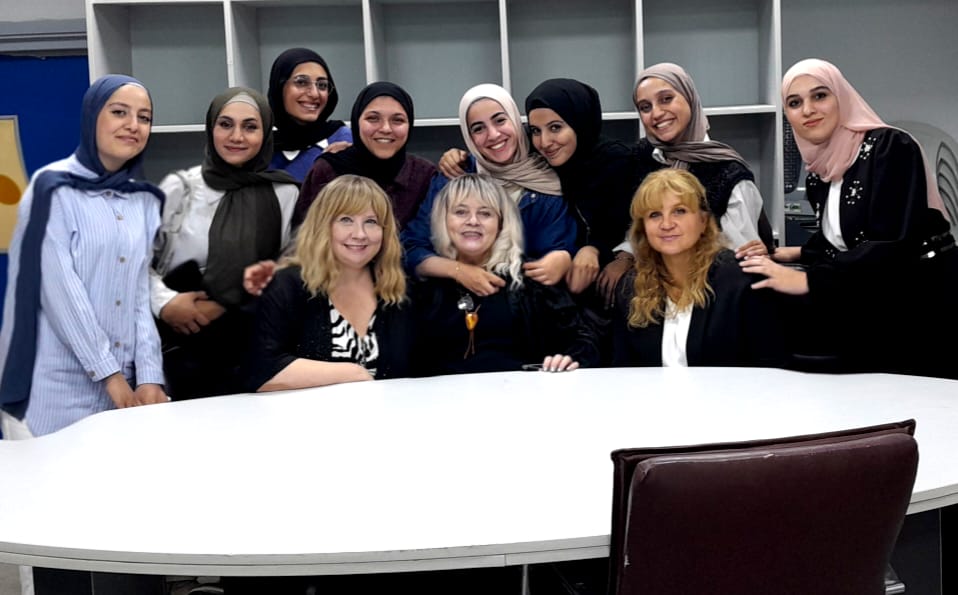
A student project marathon was held at Center for Public Diplomacy of Volgograd State University, bringing together activists from the Center and students from the Jordanian State University. Tatyana Glushchenko, Director of the Russian Center in Amman, was the mentor of the Jordanian student group. Narmina Kulieva, Acting Director, and Kirill Kryuchkov, Specialist, represented the Center for Public Diplomacy of VolSU. The event became an important step in strengthening cultural, historical, and professional ties between young people from Russia and Jordan.
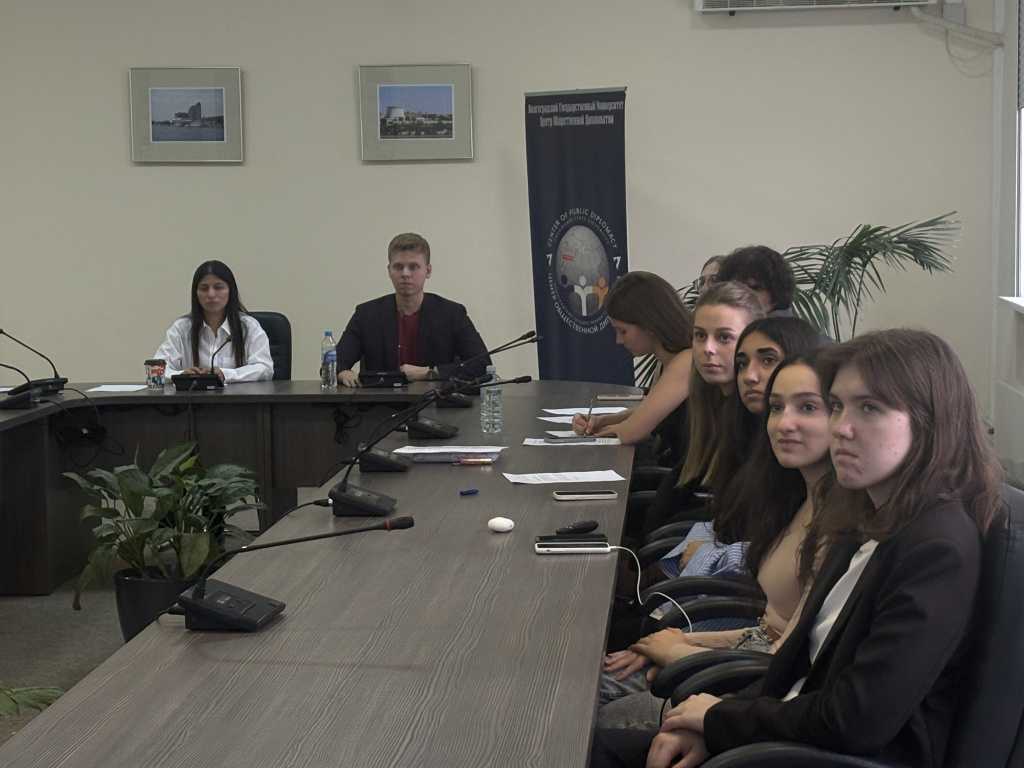
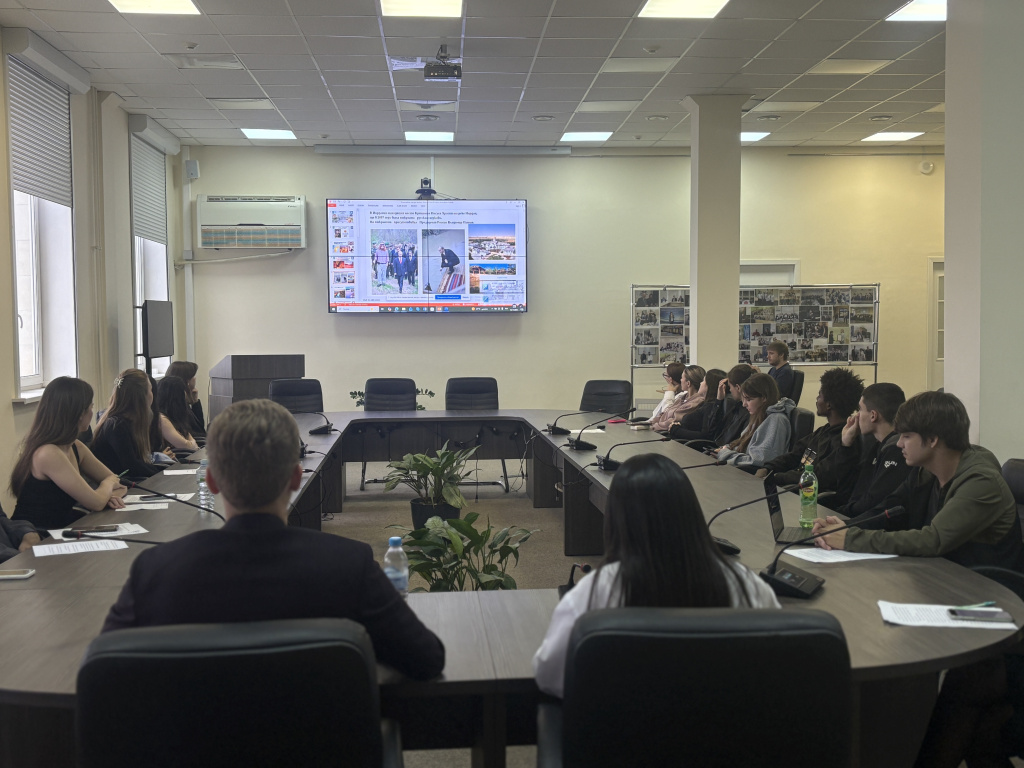
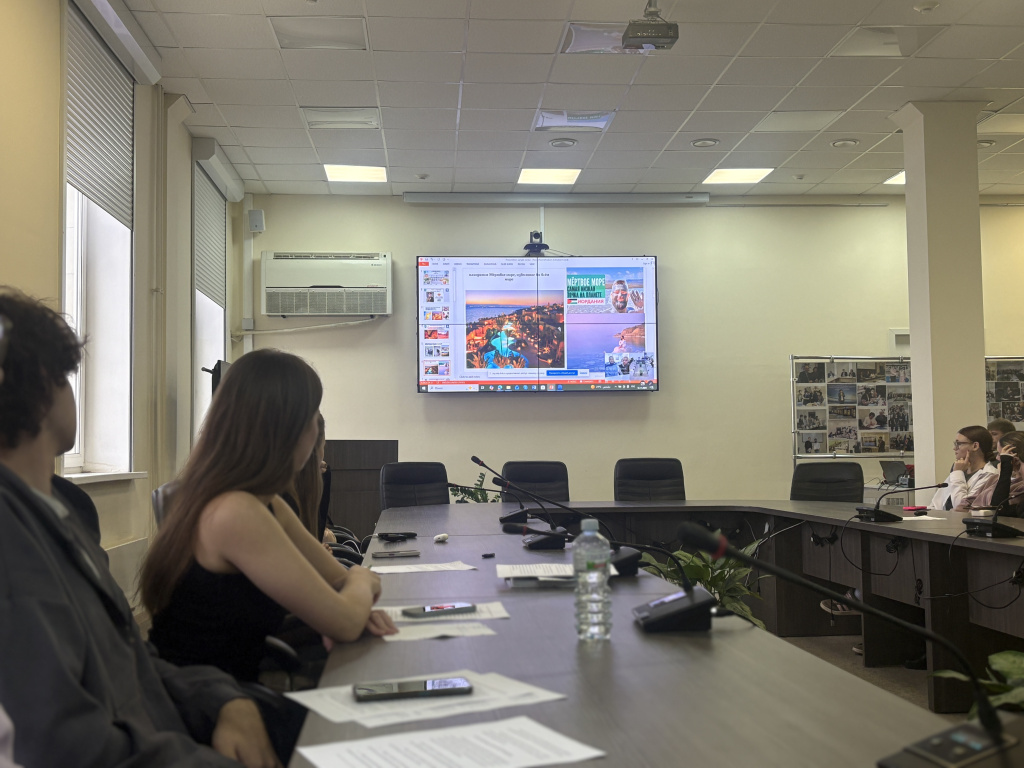
The marathon’s rich program included creative presentations and a discussion. The Jordanian students presented a profound and comprehensive speech about their country, Jordan, as a kingdom with a rich historical heritage, often referred to as an “open-air museum.” Particular emphasis was placed on unique landmarks such as the rock-cut city of Petra, recognized as one of the New Wonders of the World, and the unique features of the Wadi Rum desert, whose landscapes have been compared to those of Mars. The students also noted Jordan’s religious significance, pointing out that it is home to the site of Jesus Christ’s baptism in the Jordan River.
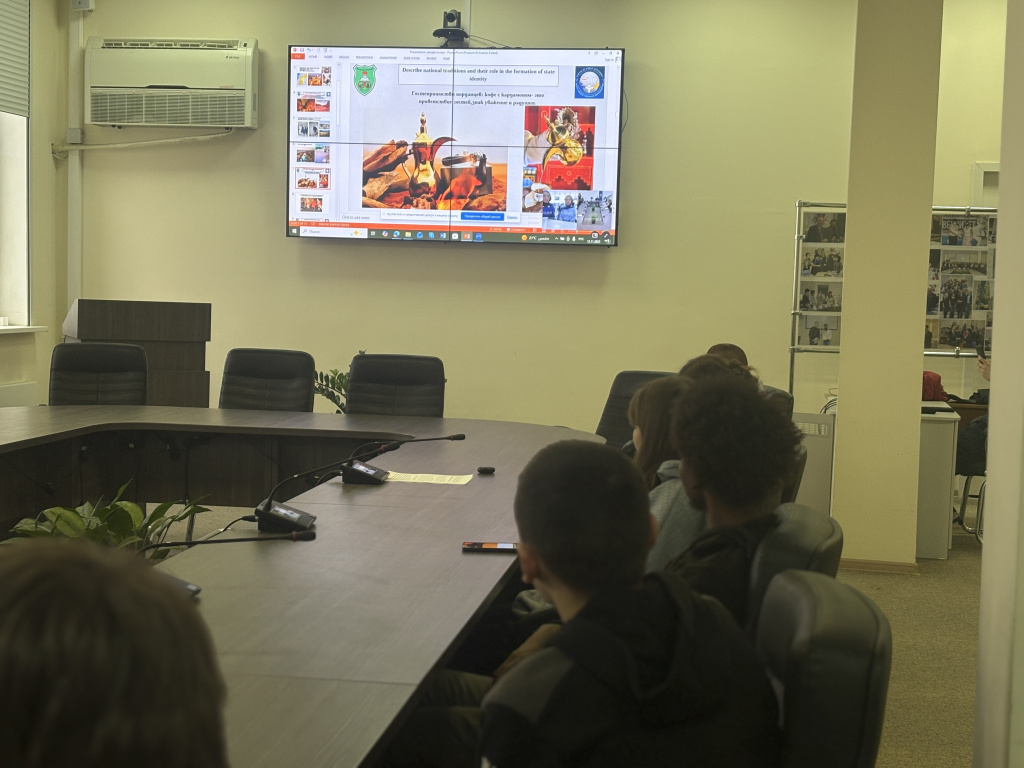
A striking part of the presentation was a description of national traditions that shape the national identity: the famous Bedouin hospitality with cardamom coffee, the traditional dabke dance, and the tribal customs that unite society. Key national values were listed: loyalty to King Abdullah II, friendliness, tolerance, and patriotism. Among the cultural elements that Jordanians are proud of are the Arabic language and poetry, the traditional dish mansaf, and the art of mosaics and embroidery.
|
|
|
The students described the state symbols in detail: the flag, the royal coat of arms, the national anthem, and black iris as the national flower. They attached particular importance to key holidays—Independence Day (May 25) and the Battle of Karama Day—as well as religious celebrations. The list of national heroes included the names of King Abdullah I and King Hussein, while famous figures included Queen Rania, Olympic champion Ahmad Abu Ghaush, and poets Mahmoud Darwish and Haider Mahmoud.
In turn, activists from the Center for Public Diplomacy delivered their own presentation on Russia’s national identity. They discussed the country’s size, its multiethnic composition, key traditions such as Orthodox holidays and Maslenitsa, as well as national symbols—from the double-headed eagle and the tricolored flag to the image of a bear. They also paid special attention to the Russia’s soft power global role through cultural and educational projects.
|
|